IN DEPTH
IN DEPTH
HYPOTHESIS
HYPOTHESIS
"The newly designed Tutorials present a difference in learning from Quick Match, which is what the game had before"
"The newly designed Tutorials present a difference in learning from Quick Match, which is what the game had before"
LITERATURE ASSUMPTIONS
LITERATURE ASSUMPTIONS
Working memory and s/t memory (hippocampus) make up the Learn Loop, which ends up in the long-term memory (neocortex).
Cognitive learning is a change in experience, which changes knowledge.
Step-by-step objectives reduce cognitive load.
Bottom up (game to brain) and Top down (brain to game) interactions.
Working memory and s/t memory (hippocampus) make up the Learn Loop, which ends up in the long-term memory (neocortex).
Cognitive learning is a change in experience, which changes knowledge.
Step-by-step objectives reduce cognitive load.
Bottom up (game to brain) and Top down (brain to game) interactions.
GAME AND PLAYER INTERACTION
GAME AND PLAYER INTERACTION
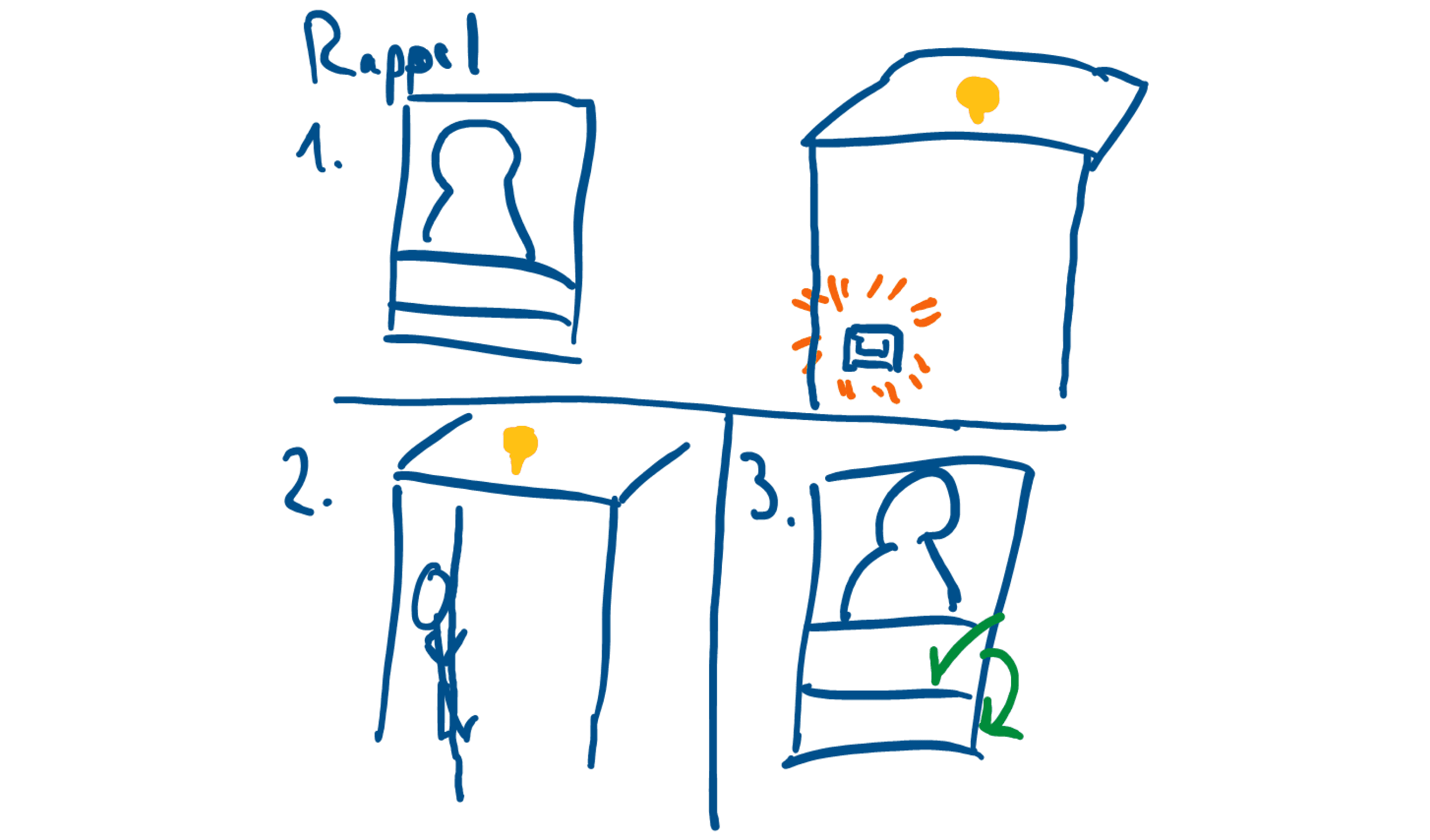
Game loop: explains concept, objective, highlights input and roof.
Learn loop: player understands and presses input.
Game loop: gives feedback of completion and moves to the next task.
Game loop: explains concept, objective, highlights input and roof.
Learn loop: player understands and presses input.
Game loop: gives feedback of completion and moves to the next task.
COGNITIVE SCIENCE OF LEARNING
COGNITIVE SCIENCE OF LEARNING
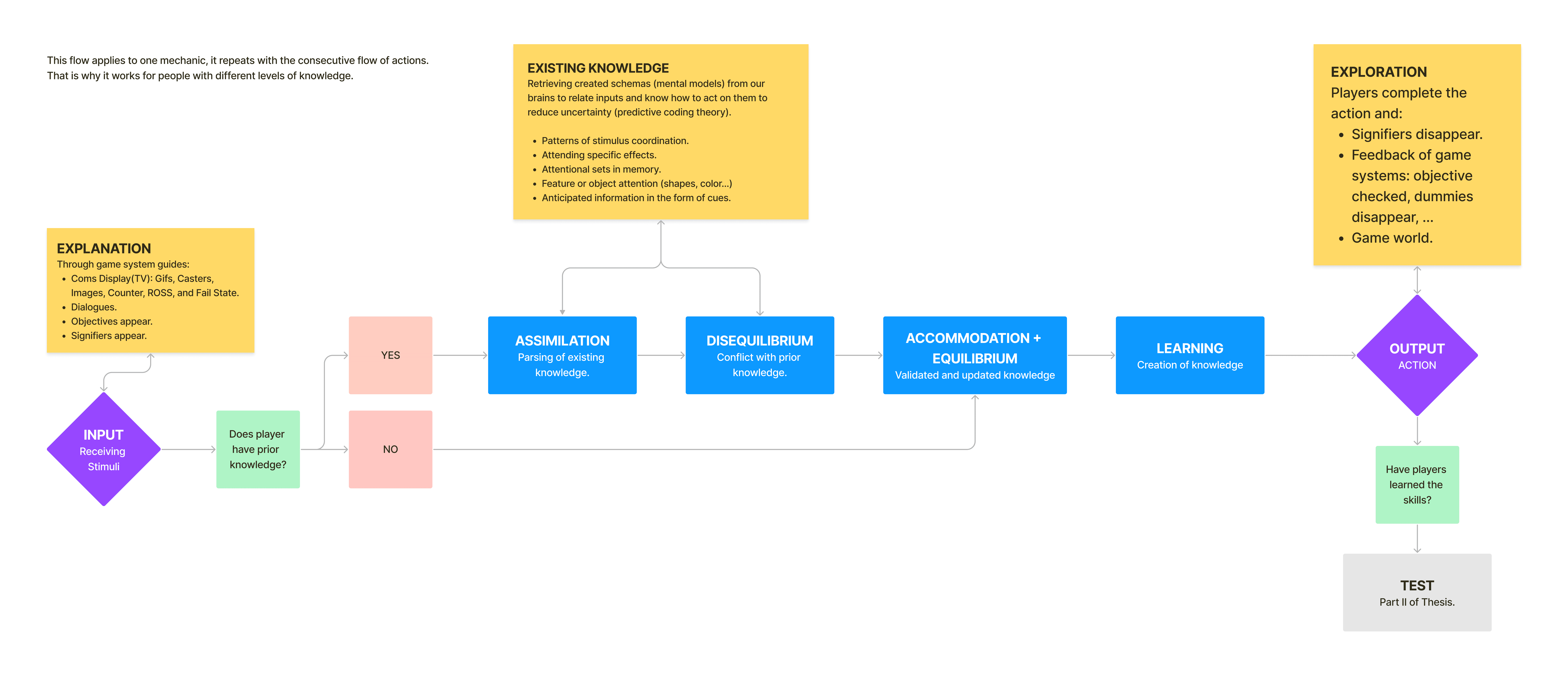
Two main types of learning: conceptual and motor. Application to the Tutorials:
Two main types of learning: conceptual and motor. Application to the Tutorials:
Input
Input
Declarative Concept.
Primary Gadget:
Sledge Hammer
Declarative
Concept.
Primary Gadget: Sledge Hammer
Declarative Concept.
Primary Gadget:
Sledge Hammer
+
+
Procedural:
motor related.
Breach Wall
pressing CMI
Procedural: motor related.
Breach Wall
pressing CMI
Procedural: motor related. Breach Wall pressing CMI
+
+
Output
=
Player Completing Objective
Output
=
Player Completing Objective
EXPERIMENT DESIGN
EXPERIMENT DESIGN
INSIGHTS
X
X
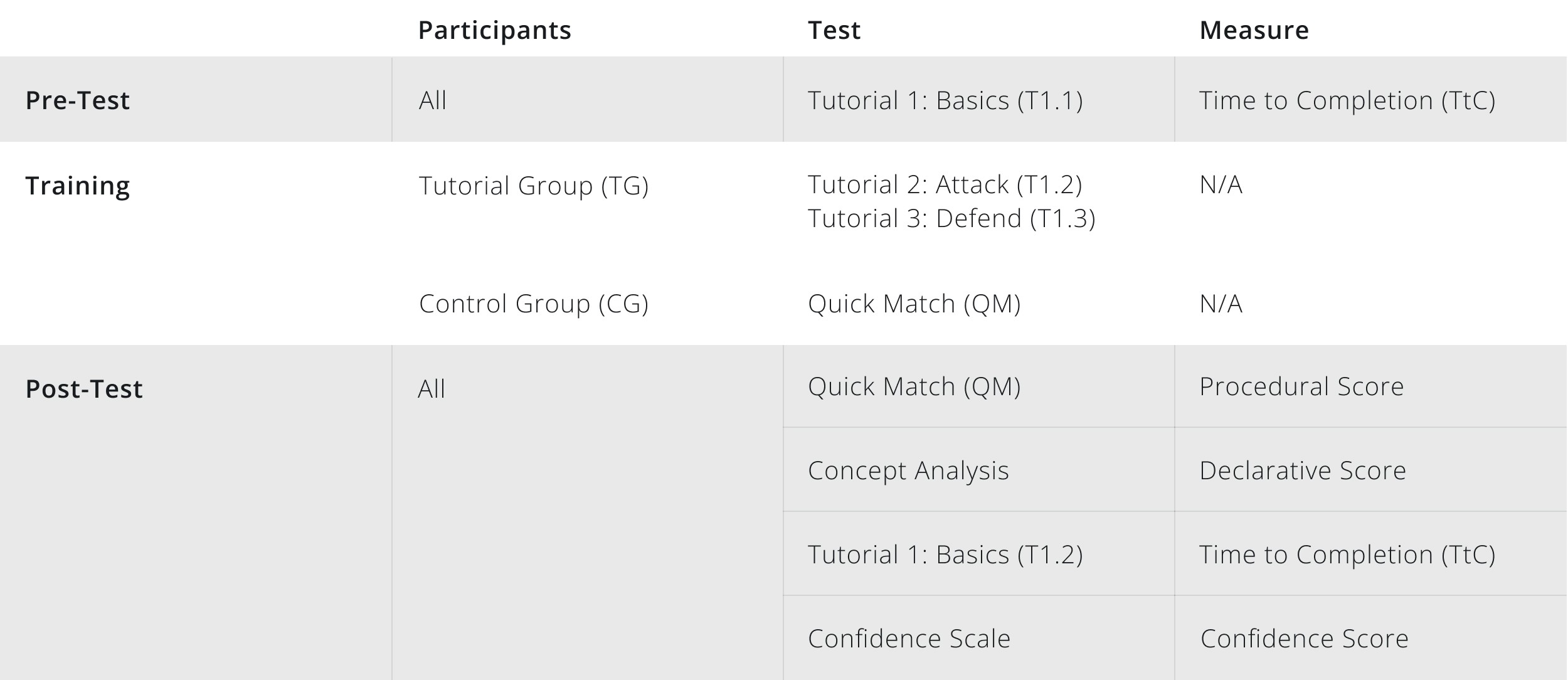
Time to Completion to validate learning pace.
Time to Completion to validate learning pace.
YES!
YES!
Game knowledge to validate declarative and procedural learning scores.
Game knowledge to validate declarative and procedural learning scores.
X
X
Confidence Scale to validate confidence levels.
Confidence Scale to validate confidence levels.
X
X
Correlations between these variables.
Correlations between these variables.
Results validated that players were learning more than before. Learning scores followed a normal distribution, where the T-statistic was less than the critical t-value, validating our main variable but showing the others as insignificant. Full scientific publication here.
Results validated that players were learning more than before. Learning scores followed a normal distribution, where the T-statistic was less than the critical t-value, validating our main variable but showing the others as insignificant. Full scientific publication here.
INSIGHTS
X
Time to Completion to validate learning pace.
YES!
Game knowledge to validate declarative and procedural learning scores.
X
Confidence Scale to validate confidence levels.
X
Correlations between these variables.
Results validated that players were learning more than before. Learning scores followed a normal distribution, where the T-statistic was less than the critical t-value, validating our main variable but showing the others as insignificant. Full scientific publication here.